

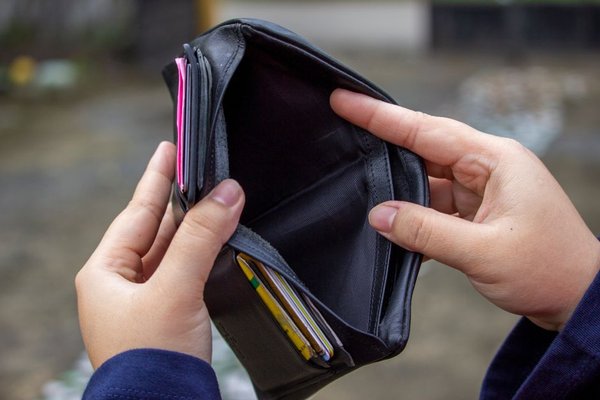
A no-spend savings challenge sounds strict, but the goal is not to stop buying everything. It is to pause optional purchases for a set period, notice where money slips away, and redirect some of that cash towards something that matters. Think fewer impulse orders and convenience purchases, not skipped meals or unpaid bills.
Decide What Your Challenge Is Supposed to Achieve
Start with one clear reason: build a small emergency cushion, reduce credit card reliance, or see how much you normally spend on extras. Write down your goal before you choose the dates. A challenge with a purpose feels less like punishment.
Next, choose a realistic timeframe. A three-day spending freeze can reveal automatic purchases, while a seven-day challenge fits neatly around one shopping cycle. A no spend month provides a broader picture, but it demands more planning. If your schedule includes a birthday, travel, or an expensive appointment, a shorter window may be more useful.
Record your starting account balance and review recent discretionary spending. A simple breakdown of meals out, delivery fees, entertainment, online orders, and convenience shopping will help you set expectations. For a clearer baseline, use your usual method of tracking monthly expenses.
Create Spending Rules Before the First Day
Most people still need groceries, transport, housing, medication, and essential household supplies. Your spending rules should protect these costs rather than encourage unsafe or unrealistic cutbacks.
Usually allowed
Keep paying rent or mortgage costs, utilities, insurance, minimum debt payments, prescribed medication, necessary childcare, and work-related travel. Allow groceries within a sensible budget, along with urgent repairs and other genuine essentials.
Usually paused
Common choices include takeaway coffee, restaurant meals, paid entertainment, clothing bought for fun, nonessential home décor, extra beauty products, and spontaneous online shopping. You can also pause paid app upgrades or subscriptions you can cancel without a penalty.
Decide on exceptions in advance
Life does not follow a challenge calendar. A necessary replacement for broken work shoes is different from buying a second pair because it is discounted. Define how you will handle gifts, social commitments, and emergency expenses now. If an essential purchase comes up, make it without treating the entire challenge as a failure.
Prepare Your Environment, Not Just Your Willpower
A successful no spend savings challenge gets easier when temptations become less convenient. Unsubscribe from promotional emails, remove saved payment details from shopping apps, and turn off retail notifications. Place items you want on a 30-day wish list rather than in a checkout basket.
Check the kitchen before grocery shopping and plan several meals around what you already have. That is not an invitation to stockpile food the day before your challenge; large advance purchases simply shift spending outside the tracking period.
Choose free alternatives for the activities you are pausing. Arrange a walk instead of meeting at a café, borrow a book, or plan a film night with something you already subscribe to. Replacement activities make the challenge feel workable rather than empty.
Spot the Moment Before You Spend
Every optional purchase has a context. Some people shop when bored, others order delivery after a tiring shift, and some spend more after seeing a limited-time offer. Keep a small log of each urge: what you wanted, when it happened, how you felt, and what you did instead.
Then make one practical change for each recurring trigger. If late finishes lead to takeaway, keep an easy dinner available. If scrolling leads to impulse orders, move shopping apps off your home screen. If weekend boredom leads to purchases, arrange a free activity in advance.
A Realistic Seven-Day Example
Imagine you usually buy three £4 coffees, order two £15 takeaways, and spend £18 on unplanned extras in a typical week. Those optional purchases total £60. During a seven-day save money challenge, you make coffee at home, cook the meals you had planned, and skip the extras.
That does not automatically mean £60 saved. If homemade drinks and meals require £12 of additional groceries, the estimated net saving is £48. If you merely postpone an £18 purchase until the following week, count it as delayed spending, not a permanent saving.
The figures are illustrative, not a promise. Your results depend on your actual habits, household costs, and what you replace purchases with. What matters is learning the difference between spending avoided and spending moved.
Move the Money Somewhere It Can Stay
At the end of each day or week, calculate the optional purchases you genuinely avoided, subtract any extra replacement costs, and transfer the remaining amount to a designated savings account if your bills and cash flow allow it. Do not transfer money that you need for essential payments.
For example, if you avoided a £15 takeaway but spent £5 more on ingredients, you could move £10 into savings. Keep a running tally of transfers alongside your spending log so the result is visible.
Give that balance a job. You might put it towards building an emergency fund, an upcoming annual bill, or a specific savings goal. Separating it from everyday spending reduces the temptation to use it on the next impulse purchase.
Avoid the Traps That Make Challenges Backfire
One trap is replacing every paid treat with a different purchase. Another is shopping heavily just before or after the challenge. Both can make a spending freeze look successful on paper without changing your longer-term costs.
Also watch for unnecessary hardship. Do not delay medical care, avoid sufficient food, miss debt payments, or refuse a safety-related repair to protect a perfect streak. If your rules repeatedly clash with real needs, revise them. The challenge should improve your financial awareness, not threaten your wellbeing.
Frequently Asked Questions
What counts as a no-spend day?
A no-spend day generally means making no discretionary purchases. Essential bills and permitted necessities can still be paid. Decide your definition in advance and apply it consistently.
Can I buy groceries during a no-spend challenge?
Yes. Most versions allow necessary groceries. Make a meal plan, use food you already own where practical, and set a realistic limit rather than trying to avoid food spending entirely.
Is a no-spend challenge the same as a budget?
No. A budget plans where money should go across your income and expenses. A no-spend challenge temporarily limits selected purchases. They work well together, especially if you are learning budgeting for beginners.
What if I break the rules halfway through?
Record the purchase, consider what prompted it, and continue. One optional purchase does not erase the decisions you made on other days. Adjust an unrealistic rule if necessary.
Make the Lesson Last Longer Than the Challenge
The best outcome is not a flawless calendar. It is knowing which purchases genuinely improve your life and which ones happen mostly out of habit. Start with a manageable timeframe, keep essential expenses protected, count only real savings, and move that money towards a clear goal. When your no-spend savings challenge ends, keep the boundaries that made life simpler and let the rest go.