

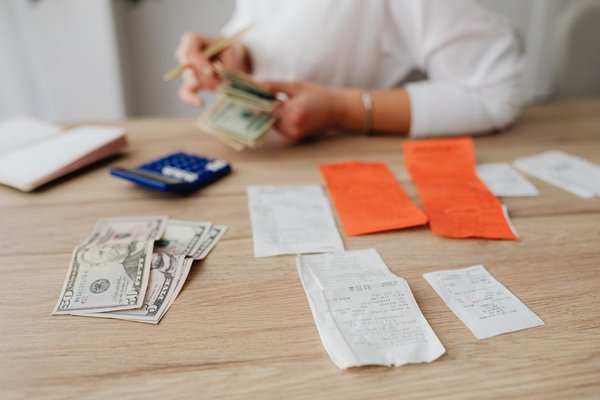
Tracking every purchase can sound like one more chore. The useful version of expense tracking is much simpler: record enough detail to see where your money goes, then use that information to make better decisions. You do not need a complicated spreadsheet, paid app, or perfect memory. A small routine that takes a few minutes each day is usually more sustainable than a detailed system you abandon after a week.
The goal is not to judge every coffee or convenience purchase. It is to build a clear spending log that shows your real patterns. Once those patterns are visible, budgeting becomes less about guessing and more about working with numbers you recognize.
Start With the Simplest Method You Will Actually Use
Choose one place to record spending: a notes app, small notebook, basic spreadsheet, or budgeting tool you already use. The method matters less than consistency. If opening the system feels like work, you are less likely to keep using it.
For each purchase, record the date, amount, and a short category such as groceries, dining out, transportation, household, entertainment, or personal care. Add a brief description only when it helps. A $14.50 entry labeled “lunch” is often enough.
Avoid creating too many categories at the beginning. Broad categories make daily expense tracking faster, and you can split them later if you need more detail.
Use a Two-Minute Daily Check-In
Daily tracking works best when it is tied to something you already do. Update your spending log after dinner, when you plug in your phone at night, or after checking your bank account in the morning. Keeping the routine short lowers the resistance that makes people postpone it.
During the check-in, look at your wallet, recent card activity, bank transactions, and digital payment history. Add anything that is missing. If you paid cash and no longer have the receipt, record your best reasonable estimate instead of skipping it.
A useful rule is to aim for completeness, not perfection. Missing one $3 purchase does not make the month useless. The bigger risk is deciding that one missed entry means the system has failed and then stopping altogether.
Separate Daily Purchases From Fixed Bills
Rent, insurance, subscriptions, loan payments, utilities, and other recurring costs behave differently from everyday spending. You still need them in a monthly budget, but retyping the same fixed bills every day adds unnecessary work.
Keep recurring expenses in a separate monthly list and use daily tracking for purchases that change from day to day. This gives you a cleaner view of spending you can actively adjust, such as groceries, fuel, takeout, shopping, and entertainment.
Review Categories Instead of Obsessing Over Individual Purchases
The Consumer Financial Protection Bureau recommends tracking spending long enough to get a realistic picture of your habits, then reviewing what surprised you and where you may want to make changes. A spending log becomes valuable when you step back and interpret it.
Once a week, total your main categories. Look for patterns rather than isolated purchases. You may discover that weekday lunches cost more than expected, grocery spending is reasonable but convenience-store stops are adding up, or several small subscriptions are quietly increasing your monthly outflow.
This weekly review is a natural point to compare your totals with monthly budgeting basics and decide whether any category needs a realistic limit for the next week.
Use a Real-World Example to Keep the System Practical
Suppose you spend $8 on breakfast Monday, $13 on lunch Tuesday, $6 on coffee Wednesday, and $22 on takeout Friday. None of those purchases looks dramatic alone. Your weekly review, however, shows $49 in convenience food.
You might decide that $49 fits comfortably within your priorities. Or you might bring lunch twice next week and redirect about $20 toward savings. The purpose is not to label the spending as “bad.” It is to notice the tradeoff while you can still act on it.
Build Expense Habits That Survive Busy Days
Your system should have a backup plan. If you miss a day, review your transactions the next morning. If you are traveling, save receipts and catch up when you return. If you share expenses with a partner, agree on one place where both of you can record household purchases.
Bank and credit card histories also work well as a verification tool. The CFPB suggests reviewing checking and credit card records when assessing spending. Electronic records can help you catch recurring charges or card purchases you forgot to enter.
Cash needs a separate habit because it does not appear automatically in account histories. Record cash spending immediately in your phone, or keep receipts in one wallet pocket and enter them during your daily check-in.
Turn Tracking Into Better Decisions, Not More Rules
After two to four weeks, your numbers should begin to tell a story. Compare the categories with your income and financial priorities. If spending is higher than expected, choose one or two adjustments rather than trying to overhaul everything at once.
You might set a weekly dining-out amount, cancel an unused subscription, or create a grocery target based on what you actually spent instead of an unrealistic number. Related topics such as how to build a realistic monthly budget and simple ways to reduce unnecessary spending are useful next steps once you have reliable numbers.
The strongest expense habits are flexible. Spending changes during holidays, travel, school months, medical events, or periods of higher utility use. Tracking gives you a way to notice those changes without treating every unusual month as a failure.
Frequently Asked Questions
What is the easiest way to track daily expenses?
Use one simple place to record the date, amount, and category for each purchase, then spend about two minutes reviewing transactions at the same time every day. A notebook, phone note, spreadsheet, or budgeting app can all work.
Do I need to track every single purchase?
Try to capture most spending, especially frequent small purchases, but do not let an occasional missed transaction derail the habit. Use bank and card histories to fill gaps and estimate small cash purchases when necessary.
How often should I review my spending?
Record purchases daily and review category totals weekly. A monthly review can then help you compare actual spending with your budget, savings goals, and upcoming expenses.
How long should I track expenses before changing my budget?
Two weeks can reveal useful patterns, while a full month usually gives a more complete picture of recurring bills and variable spending. If the month is unusual, continue tracking before making major conclusions.
Make the Routine Small Enough to Keep
Learning how to track daily expenses is less about finding the perfect tool and more about creating a routine you can repeat. Record purchases in one place, check them briefly each day, review categories each week, and use what you learn to make one practical decision at a time.
When tracking feels manageable, it stops being only a record of what already happened and becomes a simple way to stay aware of what your money is doing now.