

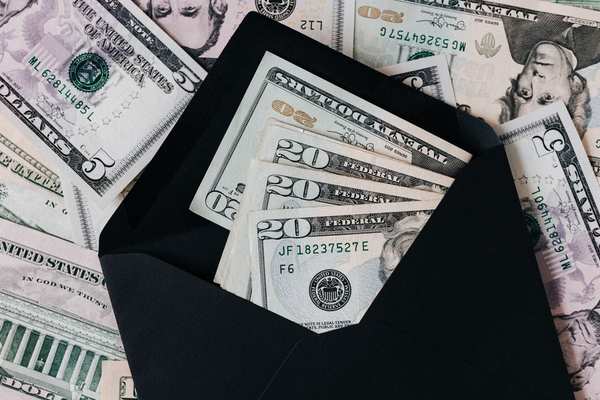
Choosing between the envelope system and a budgeting app is less about finding the “best” tool and more about choosing the feedback that changes your behavior. Cash envelopes make spending limits physical and immediate. Budgeting apps make your financial picture visible with less manual work. Both can help, but they solve different problems.
The most useful way to compare cash vs app budgeting is to ask where your current budget breaks down. Do you overspend in a few tempting categories because card payments feel too easy? Or do you lose track of bills, subscriptions, savings goals, and irregular expenses across several accounts? Your answer points toward the better fit.
The Core Difference: Friction Versus Visibility
The envelope method creates friction. You assign cash to categories such as groceries, dining out, entertainment, or personal spending. When an envelope is empty, spending in that category stops unless you deliberately move money from somewhere else. That pause is the system’s main strength.
A budgeting app creates visibility. Depending on the app and setup, it may connect to bank and credit card accounts, categorize transactions, track upcoming bills, and show how much remains in each category. Instead of holding your limit in your hand, you see it on a screen.
This envelope method comparison is not simply old-fashioned cash against modern technology. It is a choice between two budgeting styles: one changes the payment experience, while the other organizes information around it.
When the Envelope System Works Better
Cash envelopes are especially effective when overspending is concentrated in flexible categories. If groceries, takeout, coffee, clothing, or weekend activities regularly exceed your plan, physically separating money can make the limit feel real. Handing over cash also creates a stronger decision point than tapping a phone or card.
After fixed bills and savings are accounted for, withdraw the amount planned for selected categories and divide it among labeled envelopes. You do not need cash for rent, utilities, insurance, or online subscriptions. Many people use envelopes only for the two or three categories where they need the most control.
A Practical Cash-Envelope Example
Suppose a household brings home $4,800 per month and repeatedly overspends on groceries and dining out. It could leave fixed expenses in the bank, then place $700 in a grocery envelope and $240 in a dining envelope. The grocery money could be divided into weekly portions so one large trip does not consume the month’s budget. If the dining envelope reaches zero on the twenty-third, the family cooks at home until the next cycle.
The weakness is administration. Cash purchases must still be recorded for a complete picture, and cash cannot conveniently cover every expense. Carrying large amounts may feel uncomfortable, while lost or stolen cash is generally harder to recover than money protected inside a financial account.
When a Budgeting App Works Better
A budgeting app is usually stronger for people with multiple accounts, variable income, shared household finances, or many automatic payments. It can reduce the work of gathering transactions and reveal expenses that are easy to overlook, including annual renewals, subscriptions, and irregular charges.
Apps are also useful when the problem is incomplete information rather than impulse spending. A person may stay within the grocery budget yet still feel surprised because insurance, medical costs, school expenses, travel, gifts, or quarterly bills were omitted. A well-maintained app can bring those obligations into one plan.
Real-time feedback is valuable only when you look at it. Automatic imports can create a false sense that budgeting is happening on its own. If categories are wrong, pending transactions are missed, or the app is opened only after the money is gone, convenience does not improve decisions.
Privacy and Security Deserve Attention
Before connecting financial accounts, review what information the app collects, how it uses or shares data, whether account connections are read-only, and which security features are available. Use a unique password and enable multifactor authentication when offered. A manual-entry app or spreadsheet may suit someone who wants digital organization without linking bank accounts.
Cost, Convenience, and Daily Effort
Traditional envelopes cost almost nothing, although the method requires cash withdrawals, sorting, receipt handling, and reconciliation. Apps range from free tools to paid subscriptions. A fee may be worthwhile when the app saves time and supports consistent planning, but unused features become another unnecessary expense.
Convenience works in opposite directions. An app is easier for online shopping and card-based households, while an envelope is easier when you want an unmistakable boundary. The better tool makes the right action easy and the wrong action slightly inconvenient.
Which Method Fits Your Spending Habits?
Choose the envelope system when you need stronger limits in a few discretionary categories, prefer tangible money, and do not mind handling cash. Choose a budgeting app when you need a broad overview, rely heavily on cards and online payments, or want help tracking bills and goals across accounts.
Neither choice must be permanent. Test one method for a full month, review where it helped and where it created friction, then adjust. A real trial is more informative than selecting a system based on personality labels.
The Hybrid Approach Often Wins
For many households, the practical answer is not envelope system versus budgeting app but envelope system plus budgeting app. Use the app as the master plan for income, bills, debt payments, savings, and irregular expenses. Use cash envelopes for categories that tend to drift.
This combination preserves digital visibility without removing the physical boundary that makes envelopes effective. Enter cash withdrawals correctly and record how envelope money is allocated so it is not treated as unclassified spending.
Related reading can naturally include zero-based budgeting for beginners, how to build a sinking fund, and practical cash stuffing categories.
Frequently Asked Questions
Is the envelope system better for beginners?
It can be, particularly when a beginner wants a simple rule for variable spending. Starting with only two or three envelopes is usually easier than converting every expense to cash.
Can a budgeting app stop overspending?
An app can provide alerts, category balances, and timely information, but it cannot make decisions for you. It works best when you check the budget before spending rather than using it only to review past transactions.
Can I use digital envelopes without cash?
Yes. Many apps allow category-based allocation that resembles envelopes. Digital envelopes offer convenience, although they may not create the same psychological pause as physically running out of cash.
What should I do if my income changes each month?
Budget from money already received, prioritize essential bills, and keep category amounts flexible. An app can organize variable income, while cash envelopes can still control selected day-to-day categories.
Final Verdict
The envelope system is strongest when you need spending friction. A budgeting app is strongest when you need financial visibility. If overspending happens in specific categories, begin with a few cash envelopes. If your main challenge is coordinating accounts, bills, and goals, begin with an app. When both problems exist, a hybrid setup offers the clearest and most sustainable solution.